You may be looking for a useSyncExternalStore
[name|Friend], when you see a useEffect that updates a useState and returns a value, you might be looking for a useSyncExternalStore. This is my current vendetta.
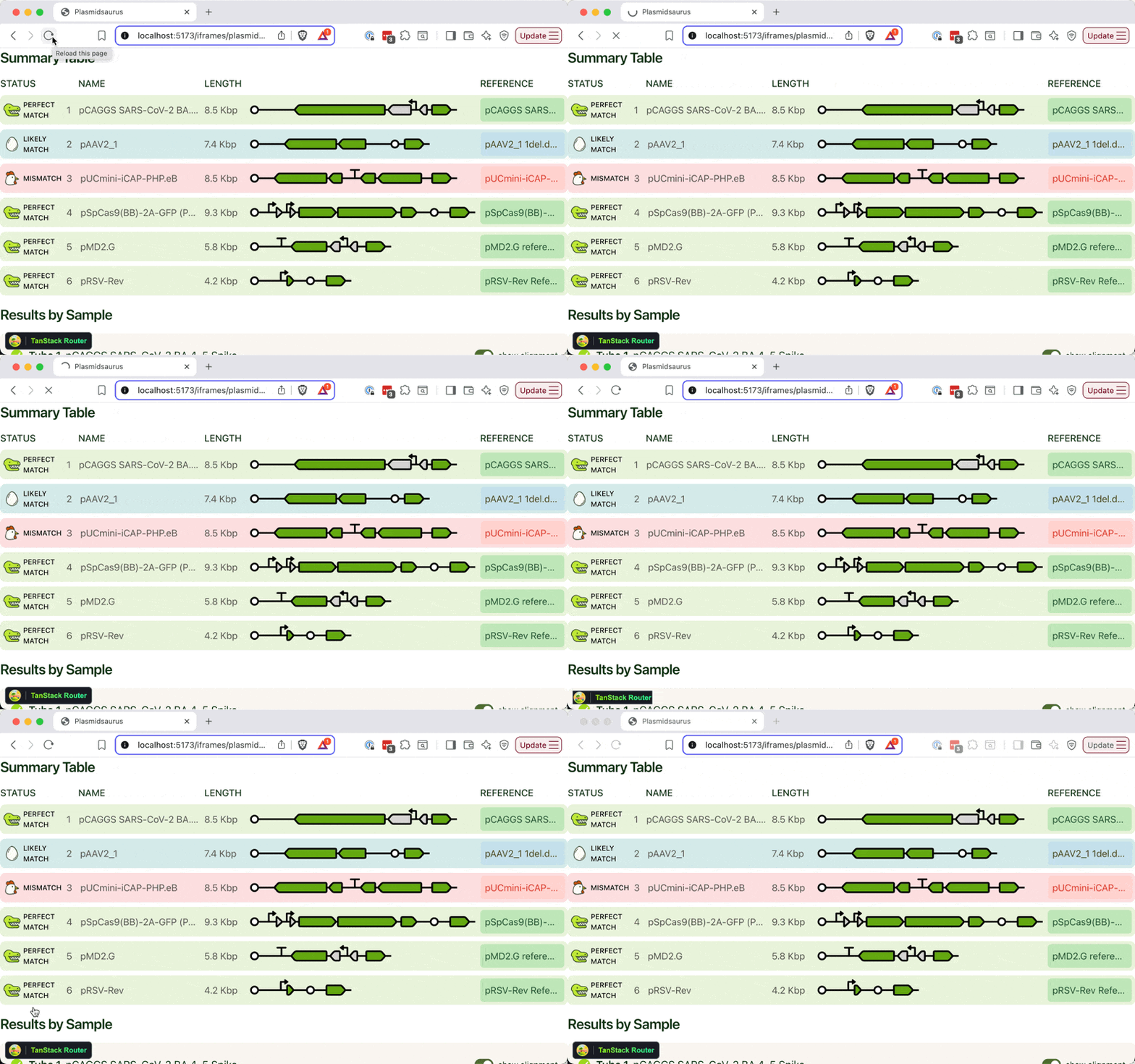
Makes it easier to fix jank like this:
PS: you can read and share this online
A common pattern
A pattern I see a lot in our React code combines a state, an effect, and a subscription:
function useSomeValue() {
  const [value, setValue] = useState(0);

  useEffect(() => {
    const eventSource = getEventSource();
    eventSource.subscribe((val) => setValue(val));

    return () => {
      eventSource.unsubscribe();
    };
  }, []);

  return value;
}
This is a custom hook that subscribes to an event source like a browser API, or a ResizeObserver, or a state machine. Sometimes includes refs to the DOM to measure things.
This works.
The effect runs on mount, subscribes to a thing, updates state to trigger re-renders, and cleans up with an unsubscribe when the component unmounts. It's a pattern you're familiar with after writing React for a while and you easily spot what's happening.
Can lead to jank with server rendering
The problem is that React has to render your component 2+ times before it settles into what you wanted. First it renders with a default value, then the effect runs, then it re-renders when state updates.
What you saw in the gif above is a slow hydration process.
- Component rendered on server with default values
- Couldn't subscribe to browser events because there's no browser (I haven't confirmed if effects run at all)
- HTML showed up in the browser
- Hydration ran to make everything interactive
- Finally the effect ran on mount
- Subscribed to browser event
- Updated state
- And rendered the component
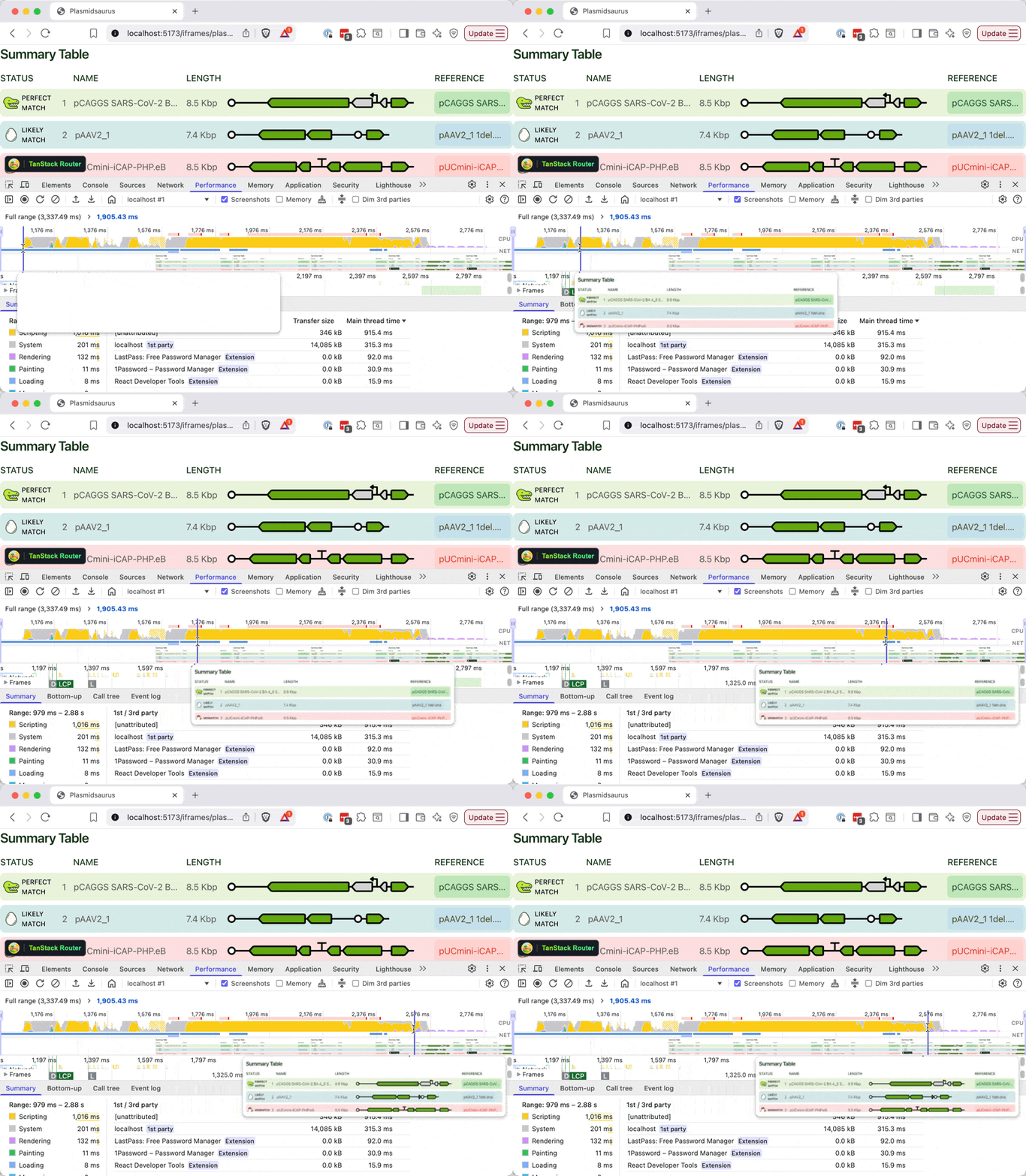
Look at all that JavaScript compute chugging away :D It's not a data issue, notice there's no network calls on that graph. We preload data with a shared query cache during server rendering.
useSyncExternalStore to the rescue
The right way to do this effect+subscribe+state pattern is a useSyncExternalStore. This took me a long time to grok but it's super neat. The API is cleaner and you can specify a server-side default value.
Like this
const eventSource = getEventSource();

function subscribe(callback) {
  eventSource.onChange(callback);
  return () => {
    eventSource.unsubscribe(callback);
  };
}

function useSomeValue() {
  const value = useSyncExternalStore(
    subscribe,
    () => eventSource.currentValue(),
    () => defaultValue,
  );

  return value;
}
We now have an explicit subscribe function that executes a callback when the value changes. This runs our value getter – the 2nd param to useSyncExternalStore. Last param is a default value getter that runs during server rendering.
You could, for example, initiate a ResizeObserver in your subscribe function, then measure a ref as your value getter.
The result is a less janky app.
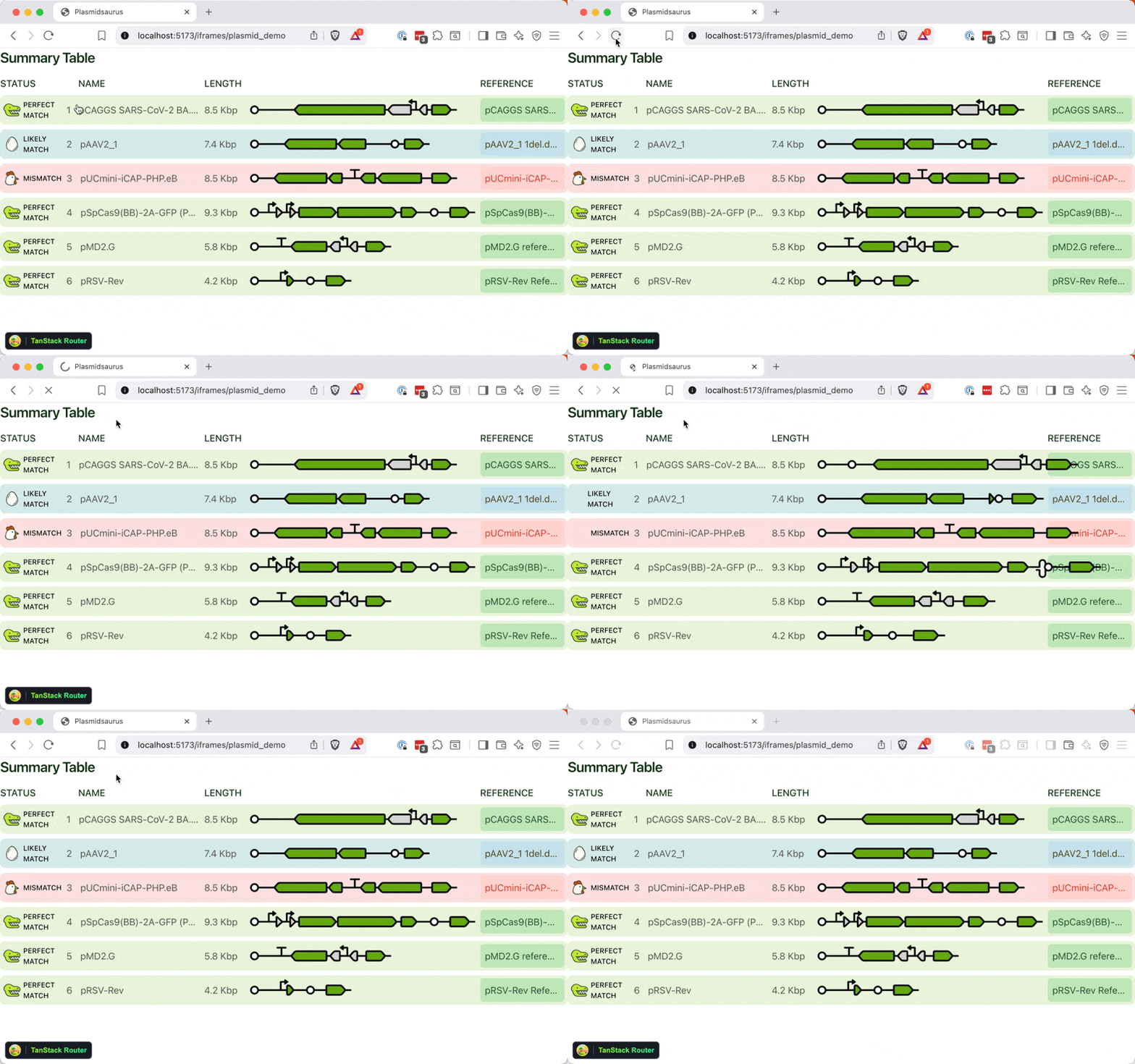
Now you just gotta figure out how to set the right default values to minimize jank.
Cheers,
~Swizec